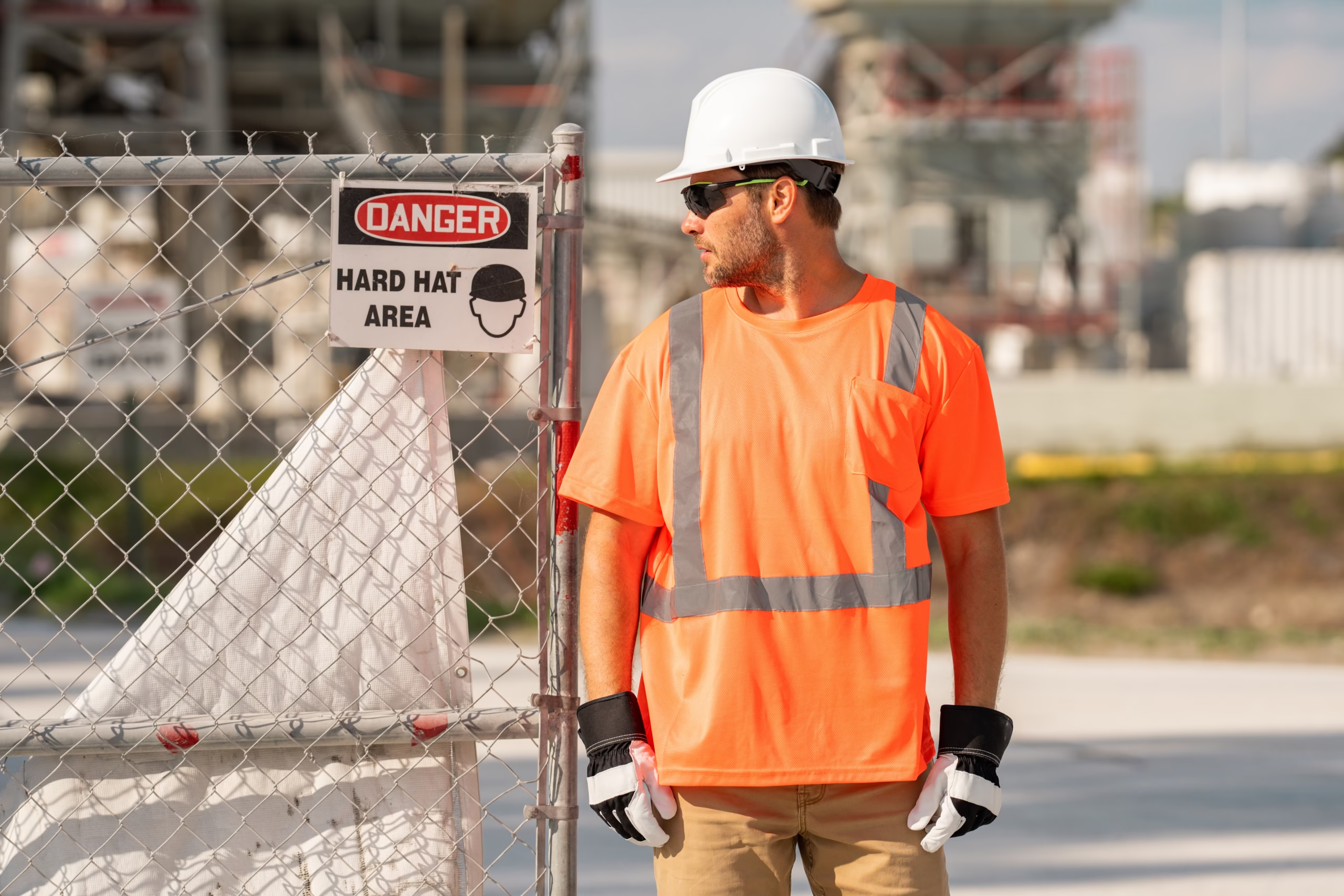
Construction sites are bustling environments, full of valuable equipment, materials, and personnel. Unfortunately, they are also prime targets for theft, vandalism, and safety incidents. Protecting your site requires more than locks and fences—it needs a strategic security plan that combines human vigilance, technology, and proactive risk management.
By implementing professional security measures, construction companies can reduce losses, maintain productivity, and ensure the safety of workers.
Understanding Common Risks
Construction sites face a unique set of security challenges. High-value machinery, tools, and materials make sites attractive to thieves, while partially completed structures can create safety hazards. Identifying these risks is the first step to protecting your site. Conducting regular site assessments helps highlight vulnerabilities and informs the development of an effective security strategy.
Manned Security Services
Having trained security personnel on-site provides real-time protection and immediate response to incidents. Security officers patrol the site, monitor access points, and ensure that only authorised personnel enter. Their presence acts as a visible deterrent, reducing the likelihood of theft or trespassing while keeping workers safe.
Surveillance and Technology Integration
Technology enhances on-site security. CCTV cameras, motion sensors, and access control systems allow for continuous monitoring, even when the site is unattended. Combined with manned security, these tools create a layered protection system, detecting potential issues early and preventing incidents before they escalate.
Controlling Access and Movement
Construction sites often have multiple entry points and contractors coming and going. Implementing controlled access measures, such as ID checks, visitor logs, and restricted zones, ensures that only authorised individuals can enter sensitive areas. This reduces the risk of theft, accidents, and unauthorised activities.
Safety and Emergency Preparedness
Effective security is not just about preventing theft; it also supports overall site safety. Security personnel are trained to respond to accidents, fire alarms, or medical emergencies, ensuring quick action when it matters most. Integrating security with health and safety protocols creates a safer, more compliant work environment.
Reducing Financial and Legal Risks
Security breaches or accidents on construction sites can lead to financial losses, project delays, and legal complications. By investing in professional security, construction managers minimise these risks, protect their assets, and demonstrate compliance with industry regulations. This proactive approach safeguards both the project and the company’s reputation.
Conclusion
Construction sites are valuable and vulnerable, making smart, reliable security measures essential. Combining trained personnel, technology, and strategic planning helps reduce risks, protect assets, and ensure the safety of everyone on-site. Investing in professional security is not merely a precaution; it’s a necessary step towards efficient, safe, and successful project delivery.